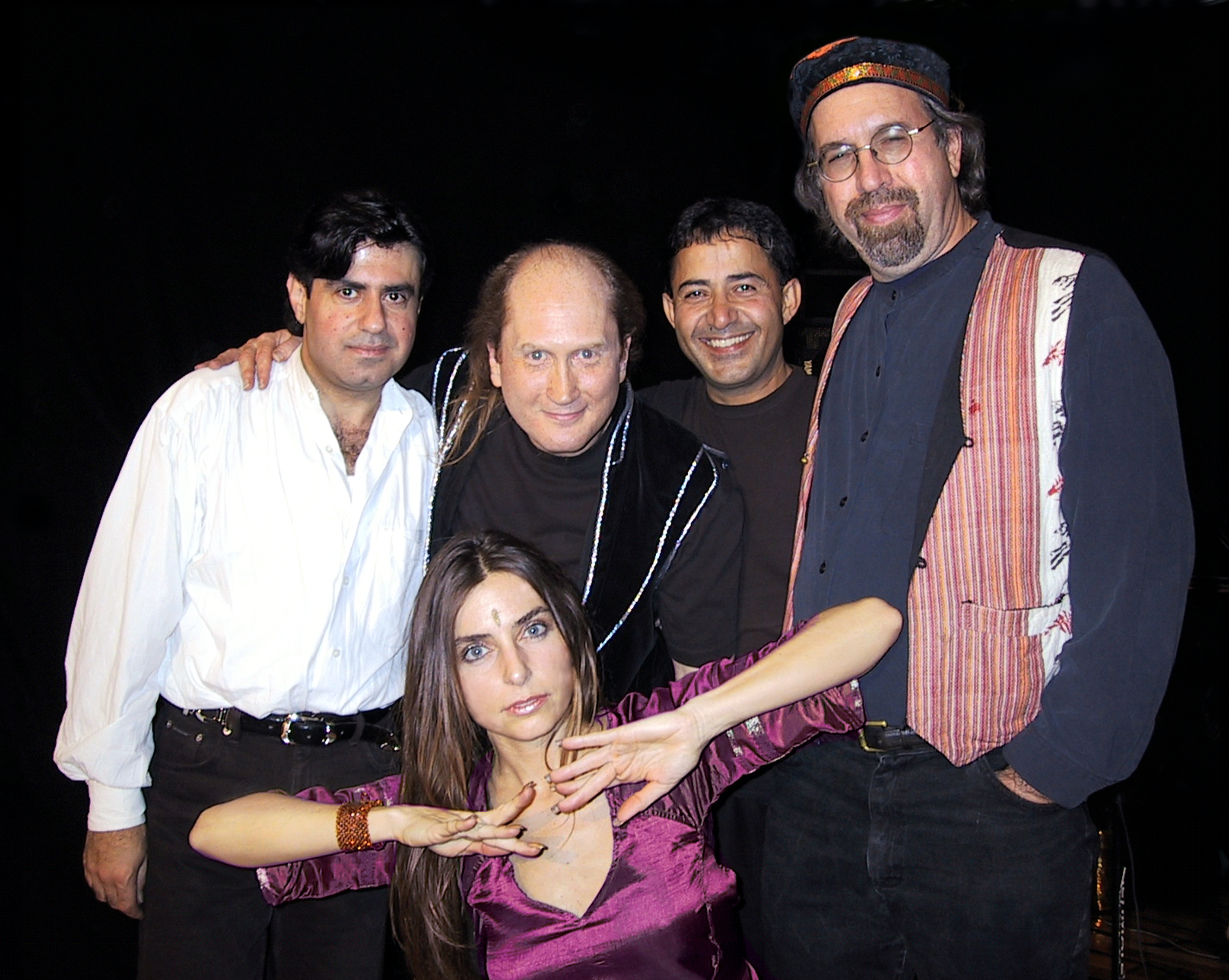
Georges Lammam's Enduring Influence on Arab Music Education and Performance
In the vibrant tapestry of global music, certain artists emerge not only as masterful performers but also as pivotal educators and cultural ambassadors. Georges Lammam stands as a towering figure in this regard, a virtuoso violinist whose profound impact on Arab music education and performance resonates deeply across continents. From his roots in Beirut, Lebanon, and extensive time in the United Arab Emirates, Lammam has cultivated a unique legacy, known for his exquisite solo violin work, deep understanding of classical and popular Arabic repertoire, and unwavering commitment to nurturing future generations of musicians. His journey reflects a lifelong dedication to preserving, evolving, and sharing the intricate beauty of Arab musical traditions.
The Virtuoso Performer: Exemplifying Arab Musical Excellence
Georges Lammam's artistry on the violin is nothing short of captivating. He is widely celebrated for his mastery of the Arab style of instrumental improvisation and lyricism, a skill that captivates audiences whether in the Middle East or across the United States. His performances are a profound exploration of maqam, the melodic modes that form the backbone of Arab music, allowing for expressive and nuanced improvisation known as taqsim. This ability to weave intricate, emotionally charged melodies spontaneously is a hallmark of Lammam's genius, showcasing a deep connection to the soul of Arab musical heritage.
The Georges Lammam Ensemble, a testament to his collaborative spirit and leadership, has graced numerous prestigious stages. Their performances at venues such as the San Francisco World Music Festival, the Legion of Honor Museum, the De Young Museum in San Francisco, and The Fine Arts Cinema in Berkeley, highlight the ensemble's ability to bring traditional and contemporary Arab sounds to diverse audiences. Each performance by Lammam is not just a concert; it's a journey into the rich emotional landscape of Arab culture, a masterclass in how a single instrument can convey centuries of history and feeling. His solo violin playing, characterized by its soulful depth and technical brilliance, has cemented his reputation as one of the most influential interpreters of Arab music today. It's through such powerful live experiences that Lammam continues to expand the appreciation for this profound musical tradition.
A Legacy of Learning: Georges Lammam as an Educator
Beyond his breathtaking performances, Georges Lammam has dedicated a significant portion of his career to education, becoming a pivotal figure in transmitting the nuanced art of Arab music to students worldwide. His commitment to teaching underscores his understanding that cultural heritage thrives through knowledge transfer. Lammam's approach goes beyond mere technical instruction; he instills in his students a deep appreciation for the historical and cultural context of Arab music, ensuring that the essence of the tradition is preserved.
His educational footprint is extensive and impactful. Lammam serves as an esteemed instructor of violin and Arabic singing at the annual Middle Eastern Music and Dance Camp in Mendocino, California, a vital gathering for enthusiasts and aspiring musicians. Here, he imparts not only the technical skills required for Arab violin and vocal performance but also the intricate rules of maqam, rhythm, and improvisation that define the genre. His teaching style, rooted in decades of performance and study, provides students with a rare opportunity to learn directly from a living master.
Furthermore, Lammam has brought his expertise to esteemed academic institutions across the United States, enriching curricula and inspiring countless students. His tenure includes teaching Arabic music ensemble and vocal classes at:
- University of California at Berkeley
- Humboldt State University
- Santa Fe College
- Middlebury College, Vermont
- Holyoke College in Connecticut (under the direction of renowned artists Simon Shaheen and A. J. Racy)
These appointments are critical for mainstreaming Arab music education within Western academic environments, making it accessible to a broader student body. Lammam's presence in these settings ensures that the complex melodic structures, rhythmic patterns, and improvisational techniques of Arab music are taught with authenticity and depth. Students learn not just to play the notes, but to understand the emotional narrative and cultural significance embedded within each phrase. For aspiring musicians interested in Arab music, finding an instructor with Lammam's depth of knowledge and pedagogical skill is invaluable. His teaching emphasizes active listening, cultural immersion, and consistent practice, coupled with an understanding of the historical evolution of the music.
Bridging Worlds: Lammam's Collaborations and Cultural Outreach
Georges Lammam's influence extends significantly through his tireless efforts in cross-cultural collaboration and outreach, demonstrating music's power as a universal language. His work in this area has not only brought Arab music to new audiences but has also enriched the musical landscape by fostering innovative fusions and deeper mutual understanding. These collaborations highlight his versatility and his belief in the shared human experience that music can unlock.
A landmark moment in Lammam's career was his 2009 tour across the United States with the Aswat Orchestra, under the visionary direction of Simon Shaheen. This series of concerts, presented in association with the esteemed John F. Kennedy Center for the Performing Arts, represented the "Golden Age of Arab Music." Such tours are instrumental in elevating the profile of Arab classical music, showcasing its historical grandeur and intricate beauty to a national audience. Lammam’s participation as a key soloist in this orchestra underscored his prominence and his ability to convey the intricate nuances of the repertoire with authenticity and passion.
Moreover, Lammam has consistently sought opportunities to collaborate with musicians from diverse traditions, creating vibrant and compelling world music fusions. His list of collaborators reads like a testament to global musical dialogue:
- Southeast Asian musicians: Exploring shared melodic sensibilities and rhythmic complexities.
- Shabazz: Engaging with diverse contemporary sounds.
- Persian-inspired artists: Forging connections between rich Middle Eastern musical traditions.
- Niyaz with Azam Ali: Contributing his distinct sound to their unique blend of electronic, classical Persian, and Indian music.
- Bay Area-based Ancient Future: Pioneering world fusion music, where Lammam's Arab violin seamlessly integrates with instruments and styles from various global cultures.
These collaborations are not merely juxtapositions of different sounds but genuine dialogues that produce entirely new musical expressions. By working with artists who draw from different cultural wells, Lammam helps to break down barriers and demonstrate the inherent interconnectedness of musical traditions worldwide. His ability to adapt, innovate, and contribute meaningfully to these diverse projects solidifies his role as a true cultural bridge builder. Through these ventures, Lammam ensures that Arab music, far from being confined to its traditional boundaries, remains a living, evolving art form that continually inspires and connects people across the globe.
The Enduring Sound of Maqam and Taqsim
At the heart of Lammam’s influence, both as a performer and educator, lies his profound reverence for and mastery of maqam and taqsim. These elements are not just musical techniques; they are the spiritual core of Arab music. Maqam provides the melodic framework, a specific scale with distinct emotional characteristics, while taqsim is the improvised solo exploration of that maqam. Lammam’s performances exemplify the poetic freedom and emotional depth that can be achieved through a profound understanding of these concepts. He teaches his students to internalize these structures, encouraging them to find their own voice within the tradition, rather than merely replicating existing melodies. This focus ensures the continuity and vitality of Arab musical expression, allowing it to adapt and thrive in contemporary settings while honoring its ancient roots.
Conclusion
Georges Lammam's impact on Arab music is undeniably far-reaching, encompassing the realms of virtuosic performance, dedicated education, and groundbreaking cross-cultural collaboration. From his humble beginnings to gracing international stages and university classrooms, Lammam has consistently served as an exemplary ambassador for the richness and beauty of Arab musical traditions. His solo violin work, characterized by its deep lyricism and improvisational brilliance, continues to captivate audiences, while his teaching ensures that the intricate art of maqam and taqsim is passed down to eager new generations. Through his ensemble work and collaborations with a diverse array of world musicians, Lammam has not only expanded the reach of Arab music but also fostered a greater understanding and appreciation for global artistic exchange. His legacy is one of unwavering dedication to artistic excellence and cultural preservation, solidifying his place as a true luminary in the world of music.